Be yourself; Everyone else is already taken.
— Oscar Wilde.
This is the first post on my new blog. I’m just getting this new blog going, so stay tuned for more. Subscribe below to get notified when I post new updates.
Be yourself; Everyone else is already taken.
— Oscar Wilde.
This is the first post on my new blog. I’m just getting this new blog going, so stay tuned for more. Subscribe below to get notified when I post new updates.
China Bearfield
Title: Christians Stereotyped
3/10/20
One of the biggest groups that get stereotyped is Christians. You see things on the news about Christians not believing in same-sex marriage, but the media portrays them as if homosexuals are hated by every Christian out there because of whom they are attracted to.
A well-known fact is that not everyone is a good person. People look at one person’s actions and believe that everyone is just the same. Christians believe in the bible, and they follow what the bible says; with this being said people stereotype Christians as prideful, self-righteous, and acting as if they were better than anyone else. Which if you were to study the religion or believe in this religion you would see they are meant to love everyone and not judge
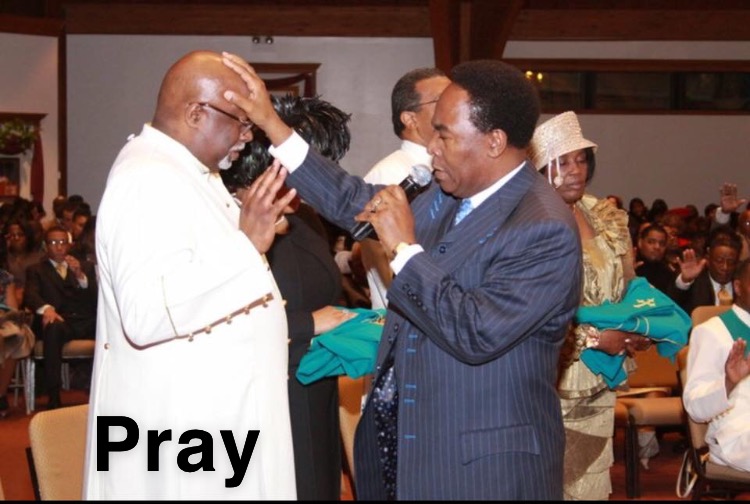
Christianity (Pentecostal) is so important and emphasized because it’s seen as a symbol to the world that your life belongs to God. It shows that you’re a part of something bigger than the world and that your faith is in Jesus.
“Christianity is pretty important to me. I grew up in a Christian household, and it’s shaped my morals, how I think about things. I consider it a guide for how to live my life.” -Marcia L.
Everyone is able to be open with each other because we are family and it’s a safe zone. People can go and open up and connect with each other, without being judged. With trust being built, members feel free to build relationships with each other outside of the church. Many people find life-long friends through church
“Salvation is the ultimate goal of the church. Its values are living a holy life, dedicated to Christ.” -Patsy G.
If you’re a believer/follower of Christ it applies; the Word of God is true and doesn’t change given the time period or anything else.
we also get stereotyped as being “Bible thumpers, throwing our religion in everybody else’s face.” Which we are not. We just want people to understand that the Bible is true and if you don’t obey it’s not going to be a good turn out.
Not only is our goal to further the Kingdom of God, but to support, uplift and encourage each other and those in the community we serve.
There are several goals within the church. The first is to follow Jesus and believe that He died for us. Also, the church is to grow as a group, in terms of trying to bring more people to Christ, which becomes of value because then the Church grows bigger and has more influence whether it be on an individual’s life as a support base or as an influence in society.
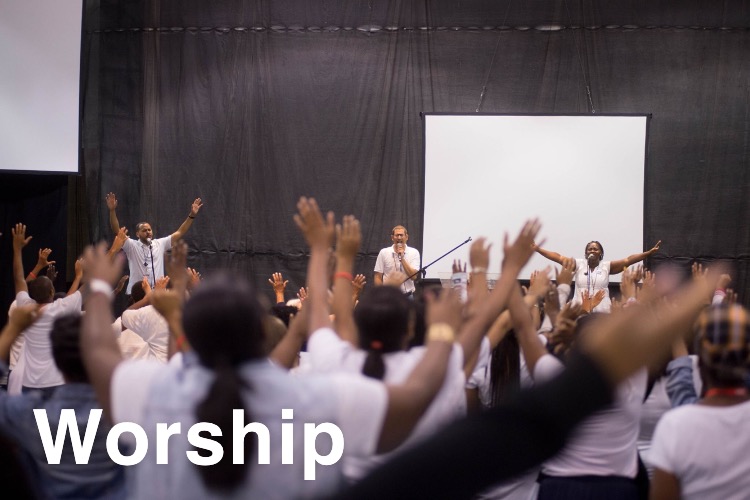
The church isn’t just a simple club. It is its own microcosm, in which communication is vital to its growth and functioning. Christian Churches may vary from place to place, but they all share one main goal in common and it is to share the gospel, help those in need and serve each other for strengthening faith in Christ.
Many people may, or may not, think of their church as a discourse community. But I want you as a reader to know that on many different levels, churches are very much discourse communities. In the way, they interact within their congregations, the communities, and their end goals.
Yes, there are many types of churches, and no they are not all the same; but I’m sure within that church they are very much a discourse community. Different places, including churches, have their own expanse of words that are used on a very regular basis. The take away I want y’all to know about my discourse community is Christianity is the only religion where God reaches down to man.
“God gives us a choice. His advice to us is to choose life now and later with Jesus (Deuteronomy 30.15-20).”-Marcia L.
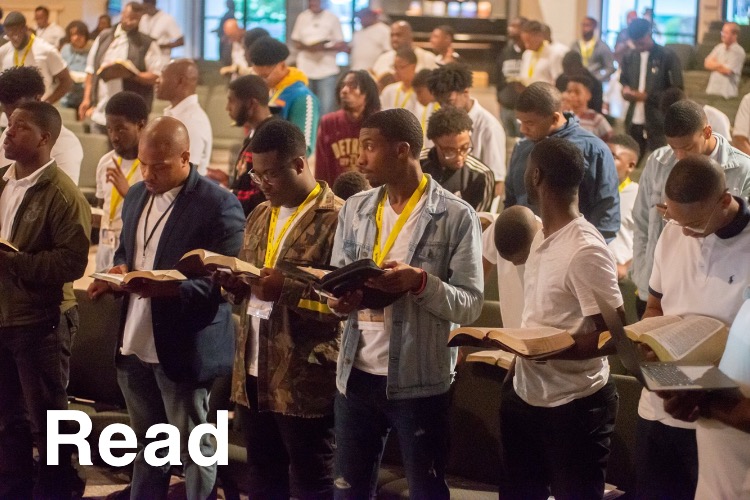
Christianity is a relationship with God. Christianity looks to the Bible as the singular source of Truth. Finally, Christianity is based upon truly the most amazing event in all of human history—the resurrection.
This is an example post, originally published as part of Blogging University. Enroll in one of our ten programs, and start your blog right.
You’re going to publish a post today. Don’t worry about how your blog looks. Don’t worry if you haven’t given it a name yet, or you’re feeling overwhelmed. Just click the “New Post” button, and tell us why you’re here.
Why do this?
The post can be short or long, a personal intro to your life or a bloggy mission statement, a manifesto for the future or a simple outline of your the types of things you hope to publish.
To help you get started, here are a few questions:
You’re not locked into any of this; one of the wonderful things about blogs is how they constantly evolve as we learn, grow, and interact with one another — but it’s good to know where and why you started, and articulating your goals may just give you a few other post ideas.
Can’t think how to get started? Just write the first thing that pops into your head. Anne Lamott, author of a book on writing we love, says that you need to give yourself permission to write a “crappy first draft”. Anne makes a great point — just start writing, and worry about editing it later.
When you’re ready to publish, give your post three to five tags that describe your blog’s focus — writing, photography, fiction, parenting, food, cars, movies, sports, whatever. These tags will help others who care about your topics find you in the Reader. Make sure one of the tags is “zerotohero,” so other new bloggers can find you, too.

 ChinaDoll